Hi
everyone, Keren here with a topic that's becoming increasingly relevant
and for lots of you reading it, perhaps it's already a way of life.
But
is sustainable crafting more than just using a few more recycled
products in your creative time? Is it something that we can all do
better ? Thinking about the crafting products that we source - are there
more sustainable options? Can the items we purchase, consume and
recycle actually reduce our environmental impact ?
My Poppet ( how to make twine from leftover fabric strips)
We'll
take an inside peek at PaperArtsy HQ and hear about the reasoning for
their original decision to use red rubber and also look at other
Creative's projects re-using and up-cycling. We're hoping that this
topic will not only inspire us all creatively but that we'll reflect on
our own purchasing, usage and disposal decisions and try and do more to
preserve the world that we're stewards of.
We
would love to hear about positive crafting changes you're making for
the environment - do let us know about them in the comments so we can
garner ideas from each other.
To start off with, here's PaperArtsy explaining how it all began....
'We
chose 20 years ago to produce stamps in rubber primarily because it is a
natural, renewable resource. It is also a safer environment for our
workers to be in, compared to clear production, which involves a lot of chemical
reaction and emissions. The positive features of rubber chimed from the outset with the vintage genre and design style and the benefits were many. We have never regretted this decision to choose to manufacture with a natural resource: rubber.
- Rubber is durable, produces a crisp image and
can handle lots of detail (particularly important for vintage-style
stamp imagery). It copes with these challenges significantly better than the chemical polymer or silicone composition that clear stamps are made from.
- Rubber can handle extremes of temperature, so it can be stamped into a puddle of
molten embossing powders with no detrimental consequences or you can
iron other products onto your stamps to melt .... remember the days of
ironing velvet onto a rubber stamp or Angelina Fibres??? So rubber is durable, for life, you will not need to dispose of a rubber stamp, you will always be able to gift it to a friend or sell it on secondhand.
- The depth of an
image is sharp and deep which is wonderful for stamping into clay or
texture pastes and UTEE as mentioned above.
- Rubber accepts and holds all varieties of ink
onto the surface more readily than polymersilicone stamps. This is most
noticeable with thinner, non permanent, water-based inks. An archival
dye ink has oil in it, and that thicker viscosity helps the ink grab to
the image, as do pigment inks, also thicker (so that they stay open
longer for you to apply embossing powder).
- Solvent inks like StazOn,
those are fast drying inks and will not damage a red rubber stamp, but
the solvent can eat into polymer stamps if you don't clean up fast. And
who likes cleaning up!?
So for PaperArtsy, and the vintage genre stamps, knee
deep into messy crafting, rubber was ticking a lot of boxes offering maximum versatility and durability for the consumer. We like to say a rubber stamp is for keeps.
There are other aspects of working with rubber that appealed to us from a production point of view. For example, a rubber stamp mould is re-useable over and over, we really liked that! We also liked that there are significant rubber recycling initiatives in operation, these are mainly pitched at recycling car tyres, as that is the most common rubber waste. But it is good there are established systems in place to create different products from all waste rubber: playground turf, rubberised asphalt, and all manner of floorings. If you are interested in understanding how rubber is a
natural resource see this article and also, this one on how rubber is reused.'
Here
at PaperArtsy, as we make everything on site, we have found increased
efficiency in that we only need to manufacture what we need for orders.
Most of our orders we ship out daily go to the shops we supply. Sure, of
course we hold some stock, but generally we manufacture stencils and
stamps to order. Infusions and paint we always have plenty in stock, and we bottle up a new batch when the shelf is almost empty. This means we waste
less time, energy and product by meeting demand without unnecessary
waste. And we do not end up with any 'end of line' stock unsold, as we
only press what is required. We just don't have any excess or an oversupply
of stock. It is astonishing how many manufacturers will dump stock because they over-ordered, and often they do this into a
different territory to their home base. It's almost like they hope
people won't notice. We are not outsourcing product, so we do not have
any of those air miles, or oversupply issues to contend with, we try to be smart about all aspects of our on site production to be as efficient as we possibly can be."
Leandra
continues.. "At PaperArtsy we are in control of all stages of
production on site. The rubber is moulded under heat and pressure, in the
stamp presses, it then gets trimmed (see above), then the cling-foam
liner is peeled off the back and the stamps are arranged on the index
sheet which has one side laminated. That means the index/packaging sheet
is also a storage sheet for the stamps. The plastic bags are
biodegradable, this is a new product that only became available to us in
2021, and we are thrilled to shift to this packaging. We find that many
customers like to cut off the 'hanging strip' at the top of the bag, and
use the bag itself as the 'pocket' to keep the stamps in, so it can
double up as a storage solution too".
As
Leandra mentioned, all the PaperArtsy products are produced on site.
The infusions are blended, bottled and labelled by hand...
The
stencils are cut by laser and packaged on site. There is a small amount
of plastic waste in this process. All PaperArtsy waste is sorted into
different types of plastic plus rubber, paper, card etc. Once sorted, it
is taken to the local commercial recycling centre, where it is all
weighed, and they are charged for disposal by weight. Another incentive
to repurpose and minimise waste. It is important to PaperArtsy to engage
with those local services to ensure waste is dealt with correctly
within the local and regional commercial recycling ecosystem.
This
is the wonderful Willy Wonka paint bottling machine, it is a bespoke machine
made just for PaperArtsy. It drops the right amount of paint into each
bottle. It was designed like this to minimise product
waste. Most commercial bottling options you can loose a lot of product
in the clean up between colours, and disposing of those fluids is also
something that needs planning and thought to ensure it is appropriate
for the environment and your specific location. Be it town or country -
you can't just dump paint into any water system! At PaperArtsy they
developed a machine to get every drop in the bottles with very little
waste.
The
paint is labelled on site too. No all those caps are not screwed on by
hand there is a machine that whizzes the lids on - much easier! They
just drop the lids on then zap with the lid whizmo gadget to tighten
them!
Unfortunately
these infusions lids are a bit too small for the automatic whizzy-lid
thing, so they are lovingly applied one by one! And the labels too, as
they are also a bit tiny for the automatic label machine! But these are
the lengths team PaperArtsy will go to to make something a bit
different and unique.
As
far as packaging is concerned, PaperArtsy will re-purpose, reuse and
recycle all the packaging that comes their way as much as is possible.
In addition to the eco-friendly bags mentioned above, they wrap their
products in reusable tissue paper and the free postcard that comes with
it can be used as a postcard or as Kate Yetter shows you below, can also
become part of your next piece of art.
The
latest news is that PA HQ are looking at their outer bags (which have
to be tamper proof / waterproof etc.) for a better option and are in the
throes of getting small cardboard boxes produced to replace these bags.
It's great that you can buy PaperArtsy projects knowing that the
company are making decisions about production, packaging and disposal
sensitively and with the environmental impact in mind.
So
to the wider topic of Sustainability. Where do we begin? There's so
much we can say on the topic? Starting with the super basic; nearly
every single project I've made has used glue. Have you checked the
contents of your bottles recently? Most white glue is non-toxic
thankfully but have you ever tried making your own with natural
ingredients? Here's 5 natural glue recipes in case you'd like a go (including a lickable envelope glue).
We
all know about trying to reuse items we'd normally discard. The dangers
of plastic bottles in the oceans is something that the United Nations
wanted to highlight so they commissioned this structure made entirely
out of plastic bottles.
There
are various artists who create in order to start a conversation, some
make thought provoking art, and others like Ruth Waldren do all 3;
creating structures that are both beautiful and help solve environmental
issues. This is definitely a case of sustainable crafting as the woven
sculpture is designed to catch fog. Fog harvesting has the potential to provide a valuable source of water in arid mountainous coastal regions.
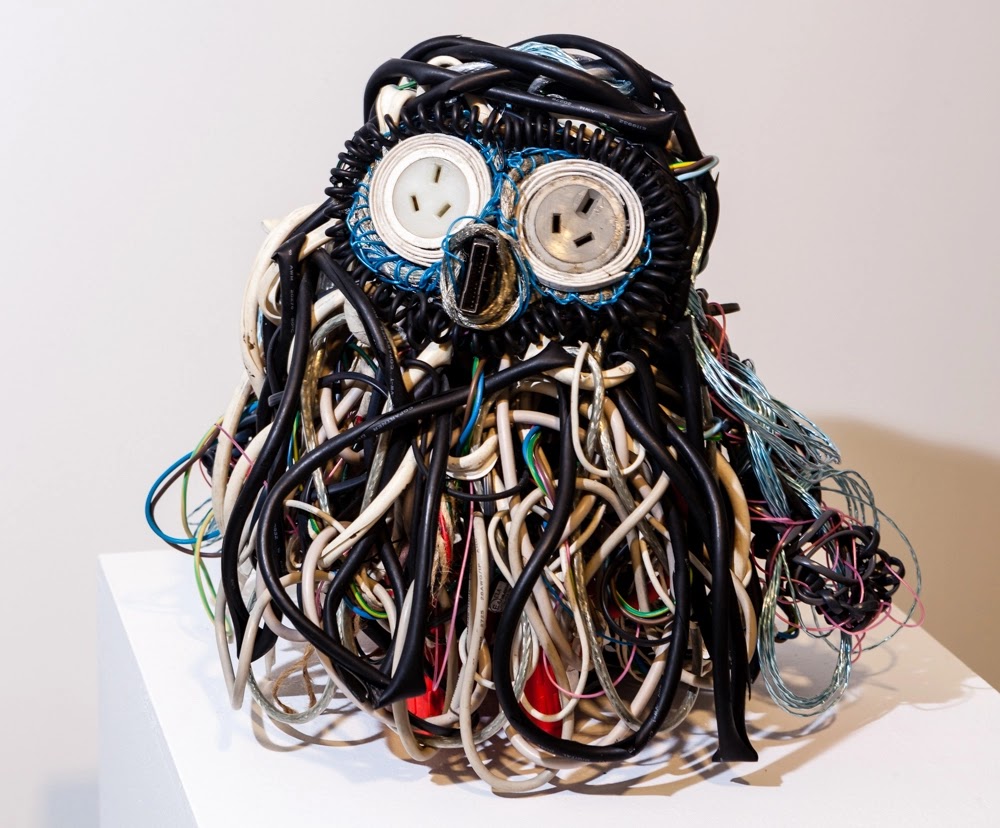
Queensland
College of Art partnered with a neighbouring Flight Centre and produced
artwork using the Flight Centre's recyclable waste. Using ordinary
'waste' items not thought of for art pieces can really become something
spectacular.
This next project from Etsuko Noguchi uses an old cardboard box, that you'd never guess was so humble in its origin.
But
is sustainable crafting simply using leftover items? That's not always
practical is it. Surely it's to do with our mindset and decision making
and to quote Maya Angelou 'Do the best you can until you know better.
Then when you know better, do better'.
How
can we be more sustainable? Is it to do with making choices. What are
we to look out for when deciding where to spend our hard earned cash.
We're
coming back to PaperArtsy - because it's lovely to hear about how the
products that we know and love are some of the safest in the world.
Did
you know that Smoothy Cardstock and the boxes used to ship orders are
using paper made from approved managed forest papers and with vegetable
dye inks (for the printing on the boxes). When they made Scrapbooking
papers back in the day, vegetable inks were used on those too.That was a
conscious choice.
If
we move to everyone's favourite paint; Fresco Finish Chalk Acrylics,
these are 'Low VOC' paints (Volatile Organic Compounds) so no nasty
smells and headaches.
As they are chalk paints they have a shorter drying time anyway but they're not extended artificially by adding more VOCs. If
having a longer (wet) open time is important to you (particularly if
you're doing gel printing) you can use PaperArtsy's environmentally
friendly Drying Retarder. Just one drip is all you need in a blob of
paint.
Small
steps like choosing cardstock can be part of the process of thinking
more consciously. If you need something other than Smoothy, kraft
cardstock is a good option. Miriam Grazier designed this lovely kraft trio with Sara Naumann stamps.
..and Florence Adams who had a ball with kraft card and sewing themed Hot Picks.
Lots
of artists love junk journalling and there's so much to be admired by
reusing packaging and everyday items. A recent project from Sara Naumann
saw here creating a junk journal with serviettes, left over bits and
adding in some resin for longevity.
Lucy Edmondson brought joy to her leftover wooden stamp mounts along with other upcycled treasures.
We
can take being creatively sustainable in lots of areas of our lives.
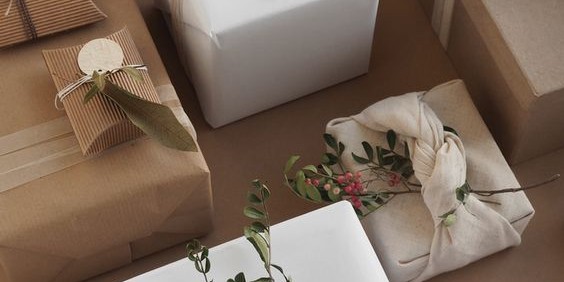
How about wrapping presents? You can even see a gift wrapped inspired
by the Japanese art of Furoshiki.
There
are lots of tips about being environmentally sustainable in our
creating. From how much water we use to turning our machines off after
using them. From consuming less to reimagining our supplies a little
more.
Could
we creatively think about reducing the waste we produce with creating.
What do we do with leftover scraps- can we reuse them or transform them
into something else?
If
you've a box of papers, junk mail, envelopes and scraps of watercolour
cardstock etc, why not try making your own paper? Here's a fabulous
tutorial complete with a DIY for the mould and deckle frames.
Trying to be sustainable and environmentally conscious also requires some thinking about the issues. I enjoyed reading this article by The Little Castle On Mercury who has started me thinking about the way I'm both choosing to create and purchase.
Hopefully
this introduction will begin a conversation. We would love to continue
it on PaperArtsy People (our Facebook group for PaperArtsy fans).